The Liberation of Le Quesnoy: How New Zealand Soldiers Saved a French Town in World War I
Everyone has heard of the disastrous military campaign at Gallipoli, but do you know the story of the Liberation of Le Quesnoy – how New Zealand soldiers saved a French town in World War One? It’s an astonishing tale of need, bravery, daring and honestly – luck. Disclaimer: We were press guests of the New Zealand Liberation Museum Te Awawhata, but all thoughts are mine.

In the First World War just under ten percent of our then population of 1.1 million served overseas – of which more than 18,000 died.
As the daughter of a NZ Navy steward, the niece of an NZ Army soldier and the descendant of many soldiers in WWI and WWII, it’s always been important to me to honour and respect the military heritage of New Zealand; dawn ANZAC services (even during Covid where I set an alarm to walk to the end of my garden with my poppy) every April, wearing a poppy and honouring Remembrance Day here in the UK.
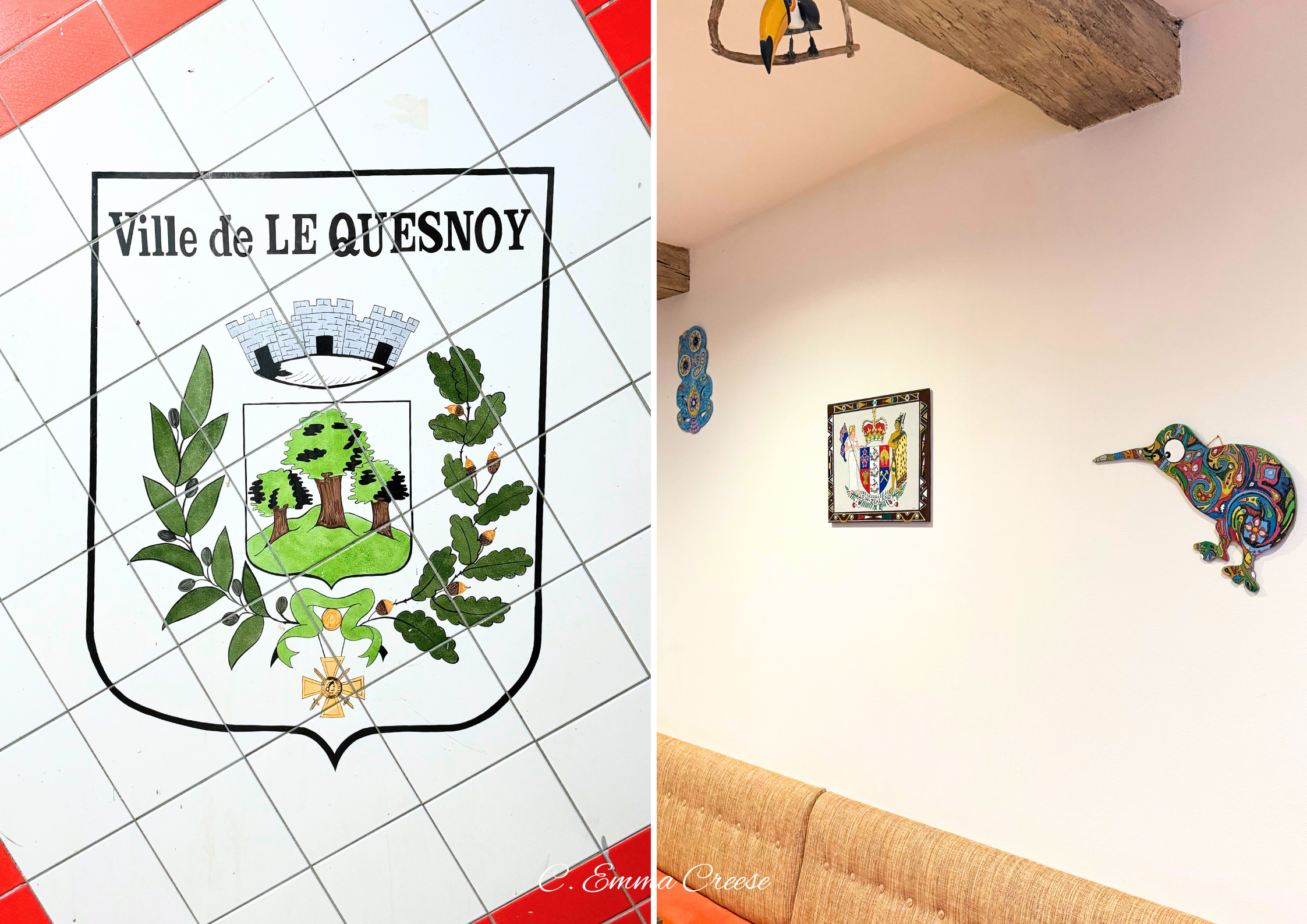
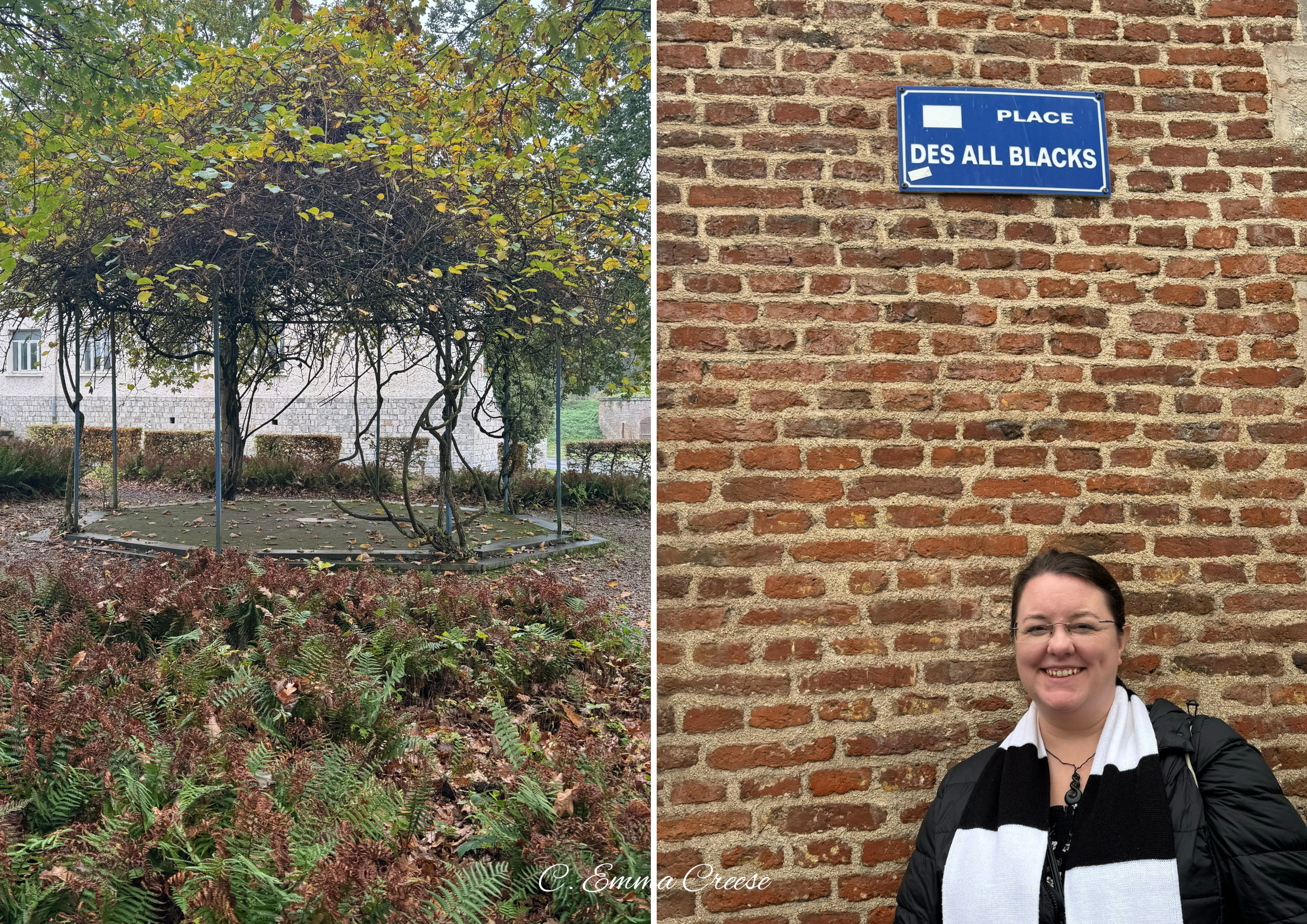
Interestingly, a few years ago my uncle decided to drive to Northern France for the 100-year commemoration service of the events at Le Quesnoy – when we visited, there wasn’t a museum – just streets with NZ names, gardens and an evocative commemorative plaque. But, wait, let me rewind.
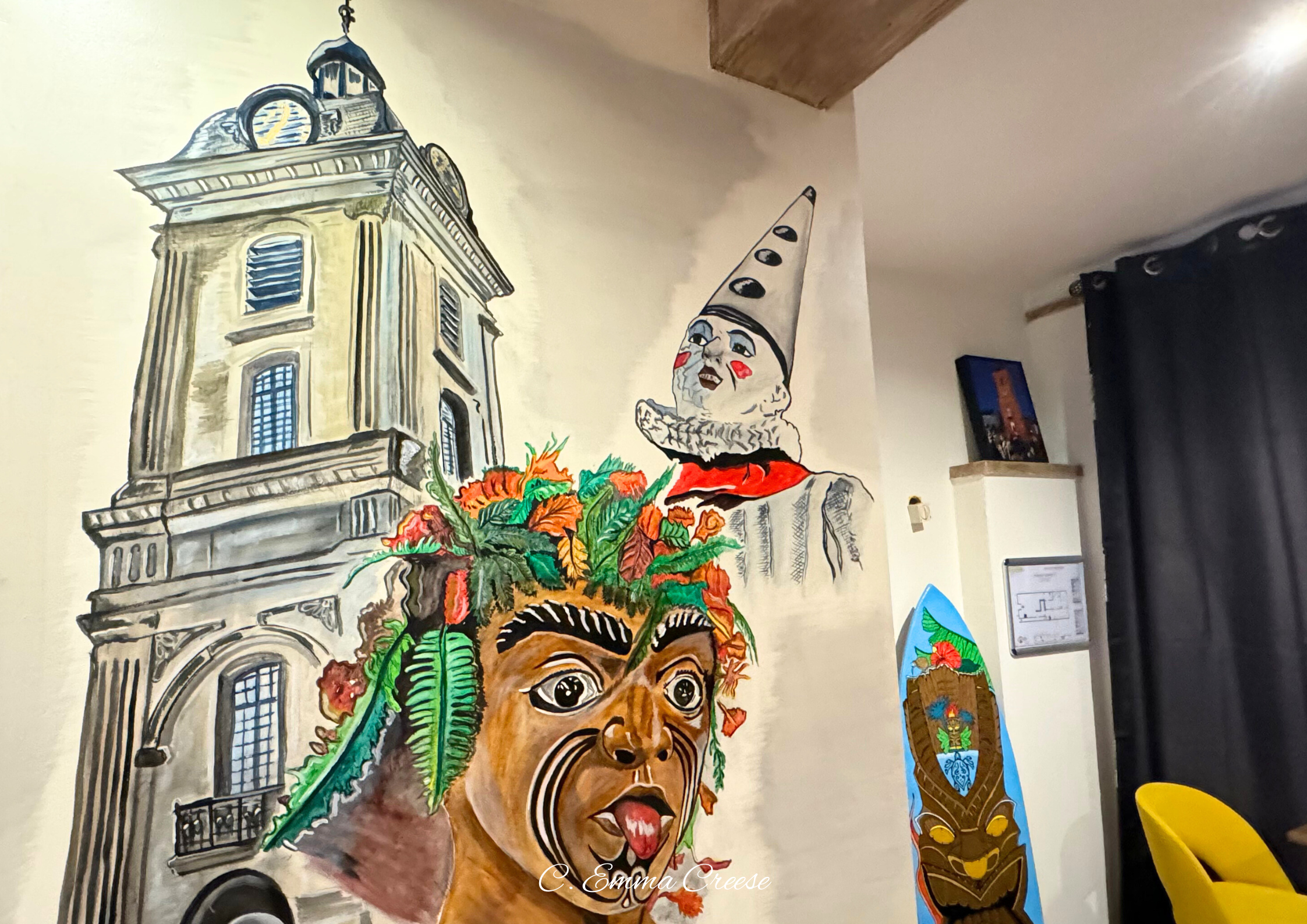
Le Quesnoy is a commune and small town in the east of the Nord department of northern France and is known for its fortifications, dating from the 16th, 17th and 18th centuries.
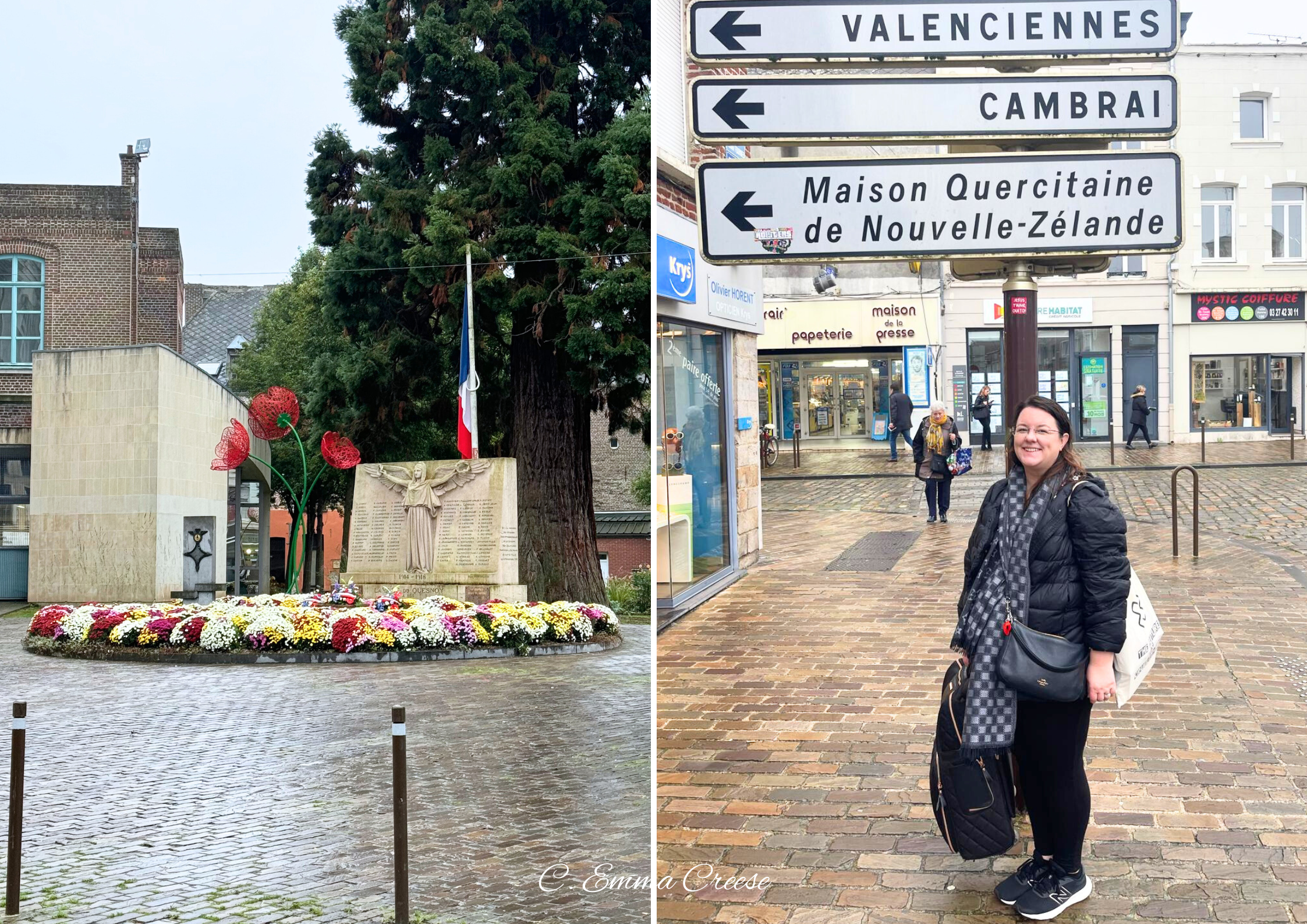
It’s located in the north-east corner of France to the east of Cambrai, just a few kilometres from the border with Belgium.
A Town Under Siege
On November 4, 1918, the small French town of Le Quesnoy was liberated by New Zealand soldiers, marking a significant moment in both New Zealand and French history. This act of bravery and ingenuity not only freed the town from German occupation but also helped to preserve its cultural heritage.
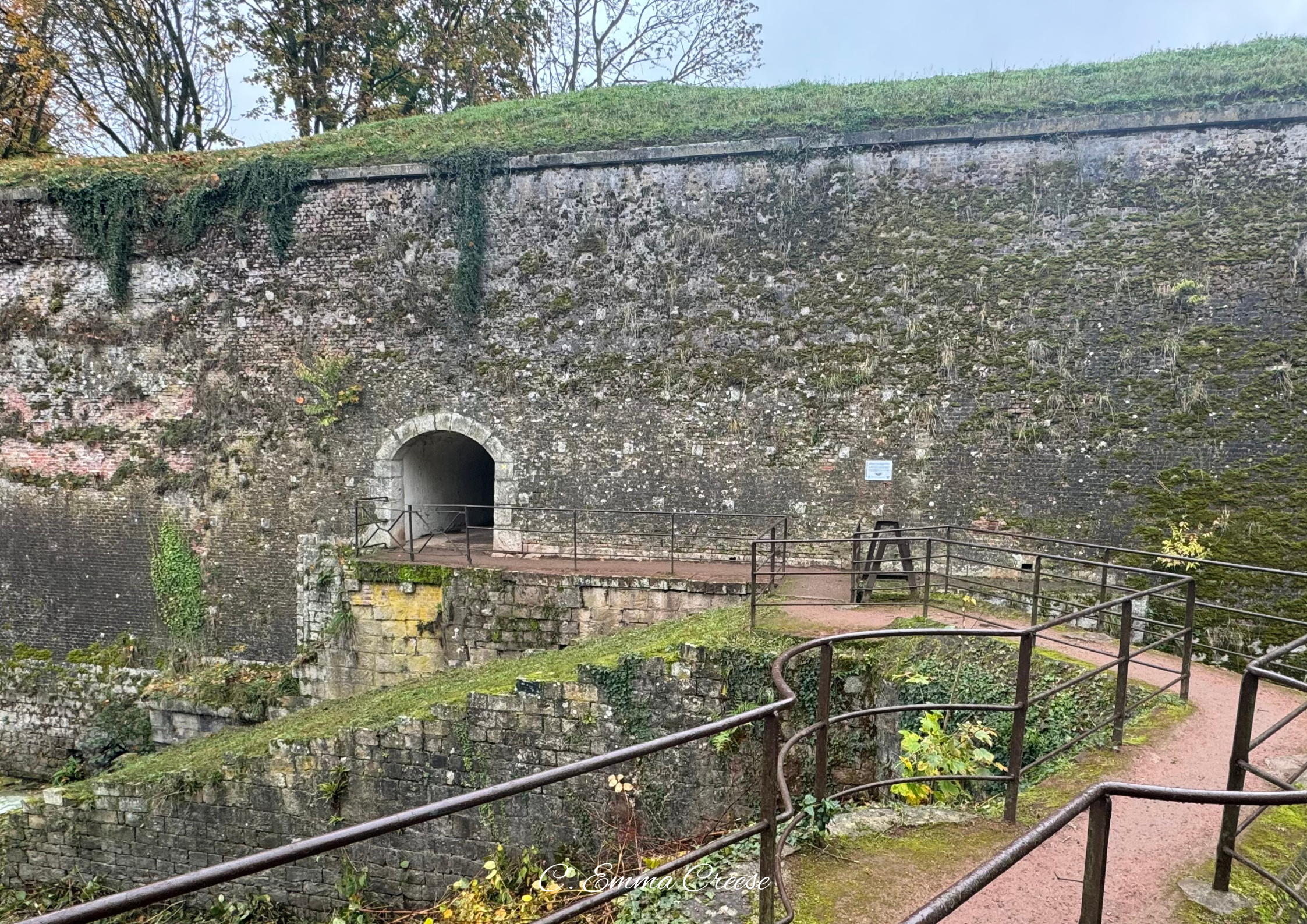
Le Quesnoy, a historic town with a rich cultural heritage, had been under German occupation for four years. The German forces had fortified the town, making it a formidable stronghold. However, the New Zealanders were determined to liberate the town without causing unnecessary damage or harm to its inhabitants.
A Daring Plan
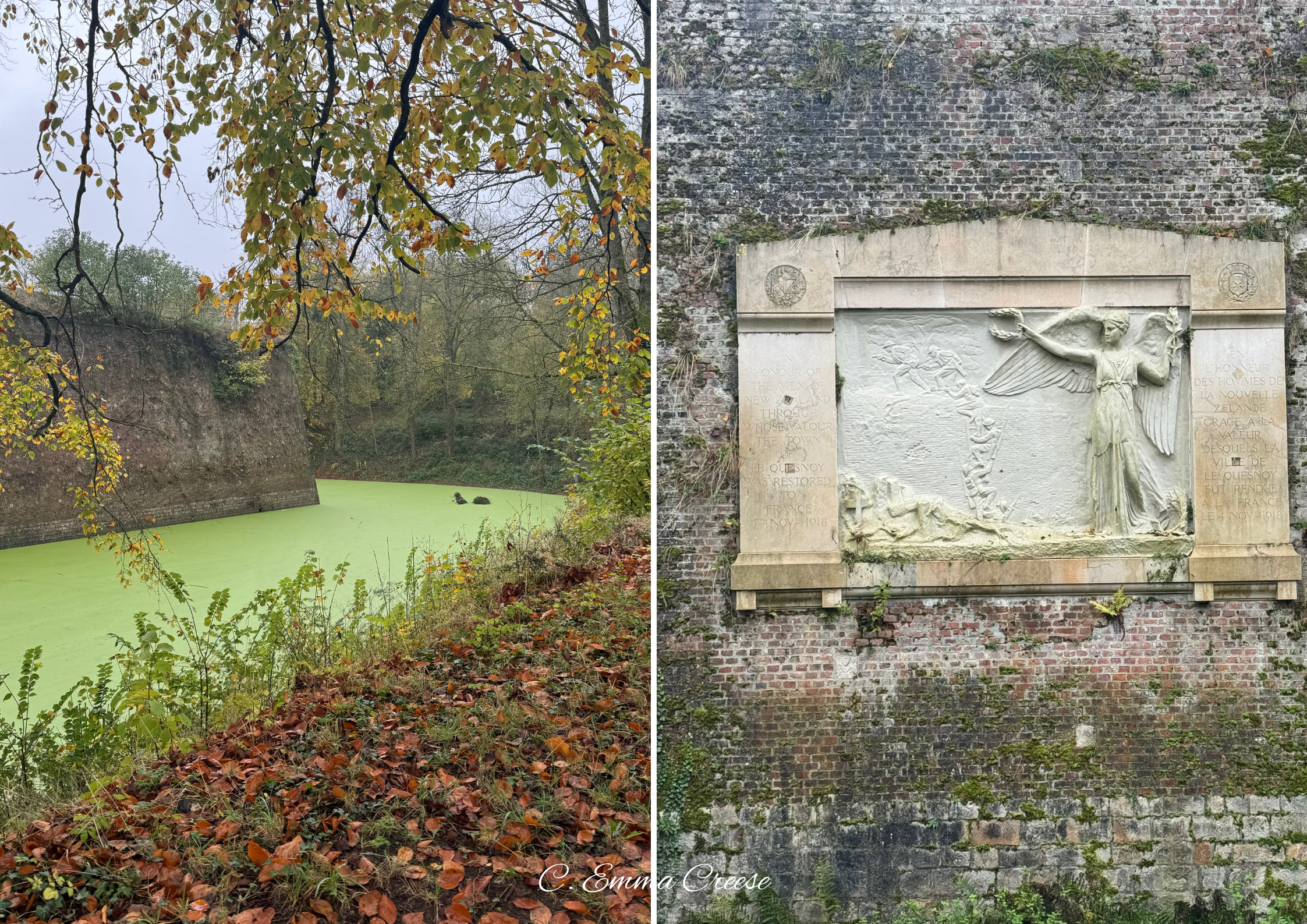
Instead of resorting to heavy artillery, which would have destroyed the town, the New Zealanders devised a daring plan. They used ladders taken from nearby cherry orchards to scale the ancient ramparts, surprising the German defenders and minimizing casualties on both sides.
The New Zealanders’ innovative approach to the battle not only ensured the town’s preservation but also earned them the admiration and gratitude of the French people.
A Lasting Legacy
“The liberation of Le Quesnoy remains a significant event in New Zealand history. It highlights the bravery and ingenuity of the New Zealand soldiers who fought for the freedom of others.”
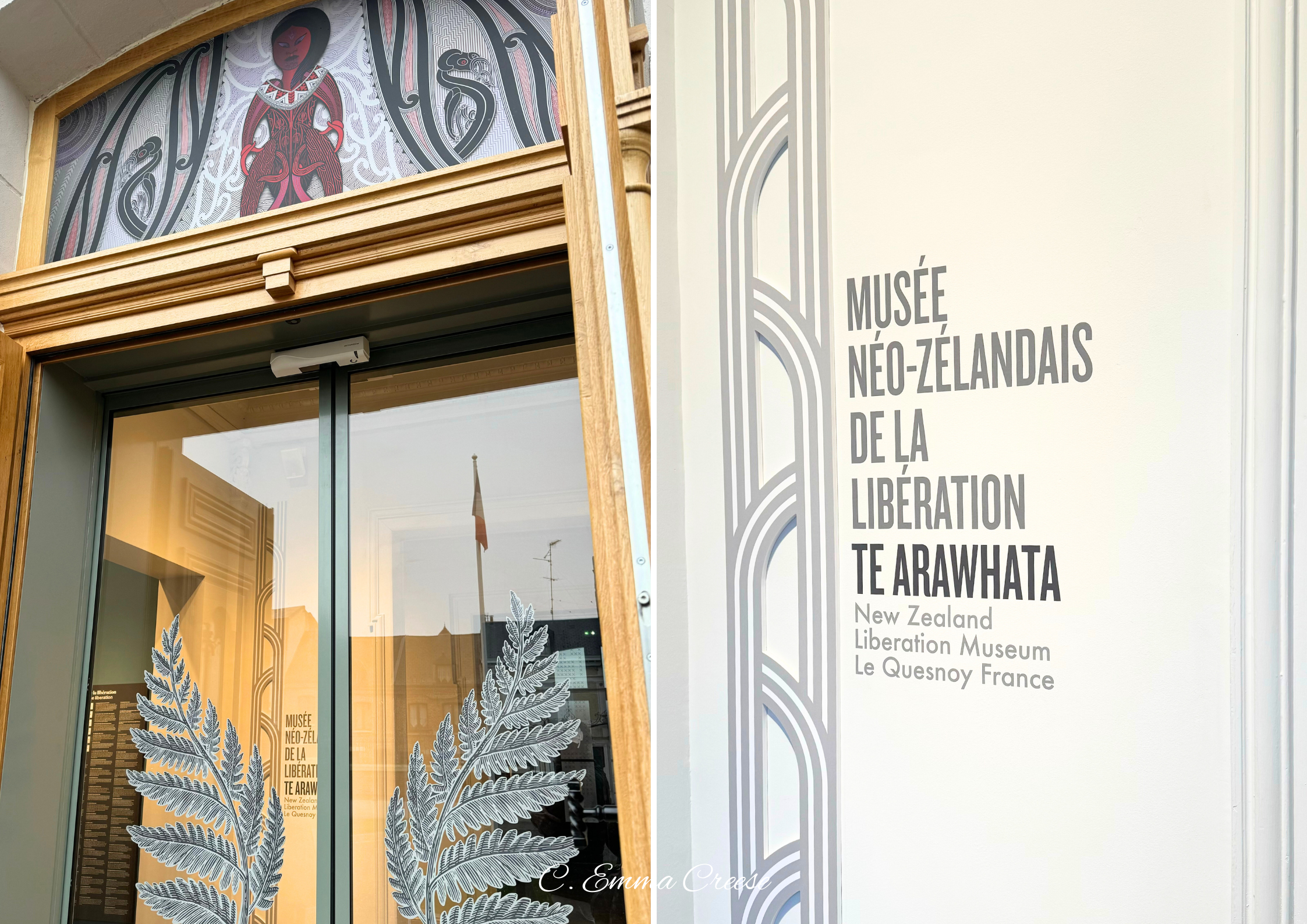
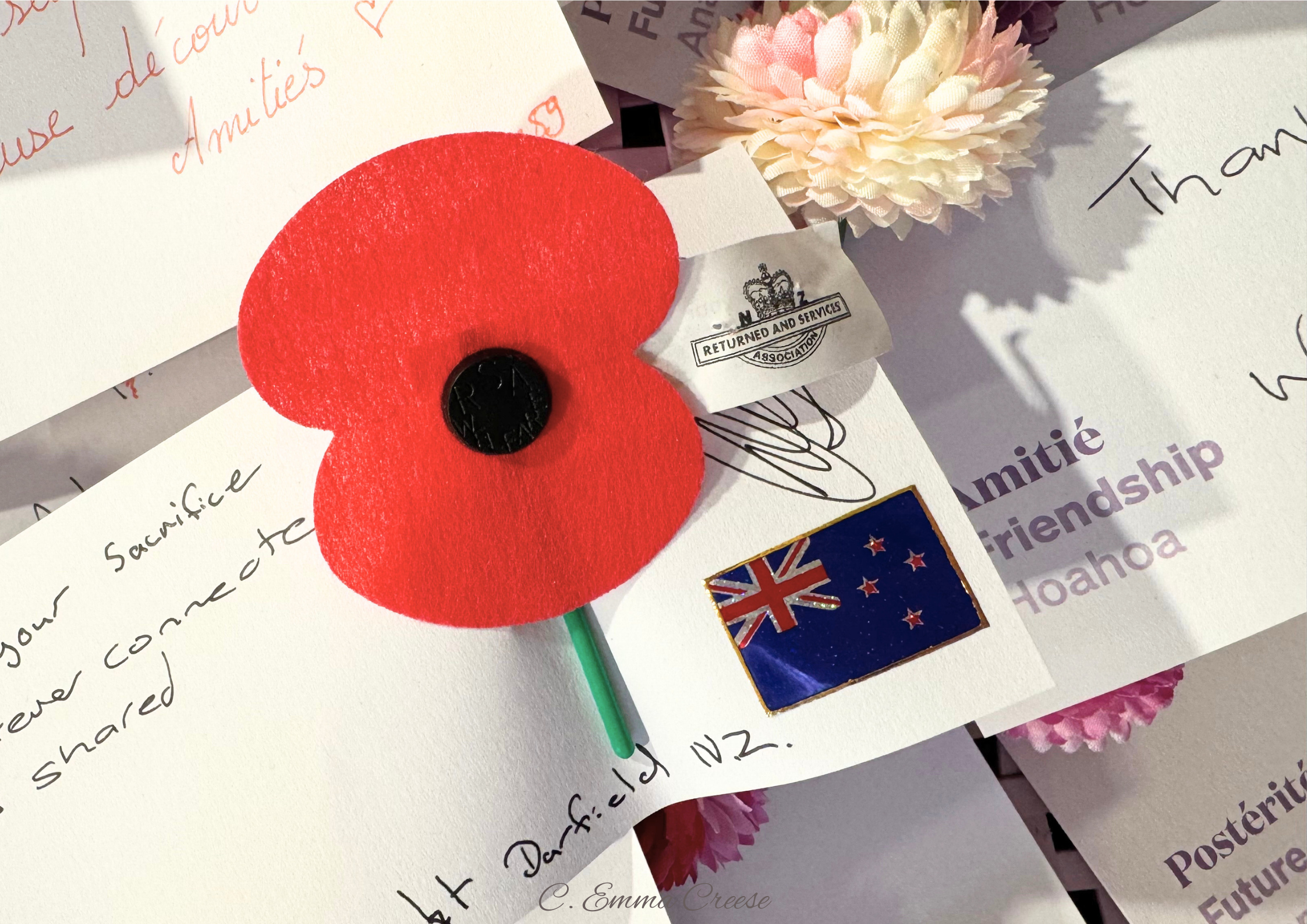
The town of Le Quesnoy has never forgotten the sacrifice of the New Zealanders and continues to honour their memory through various memorials and commemorations.
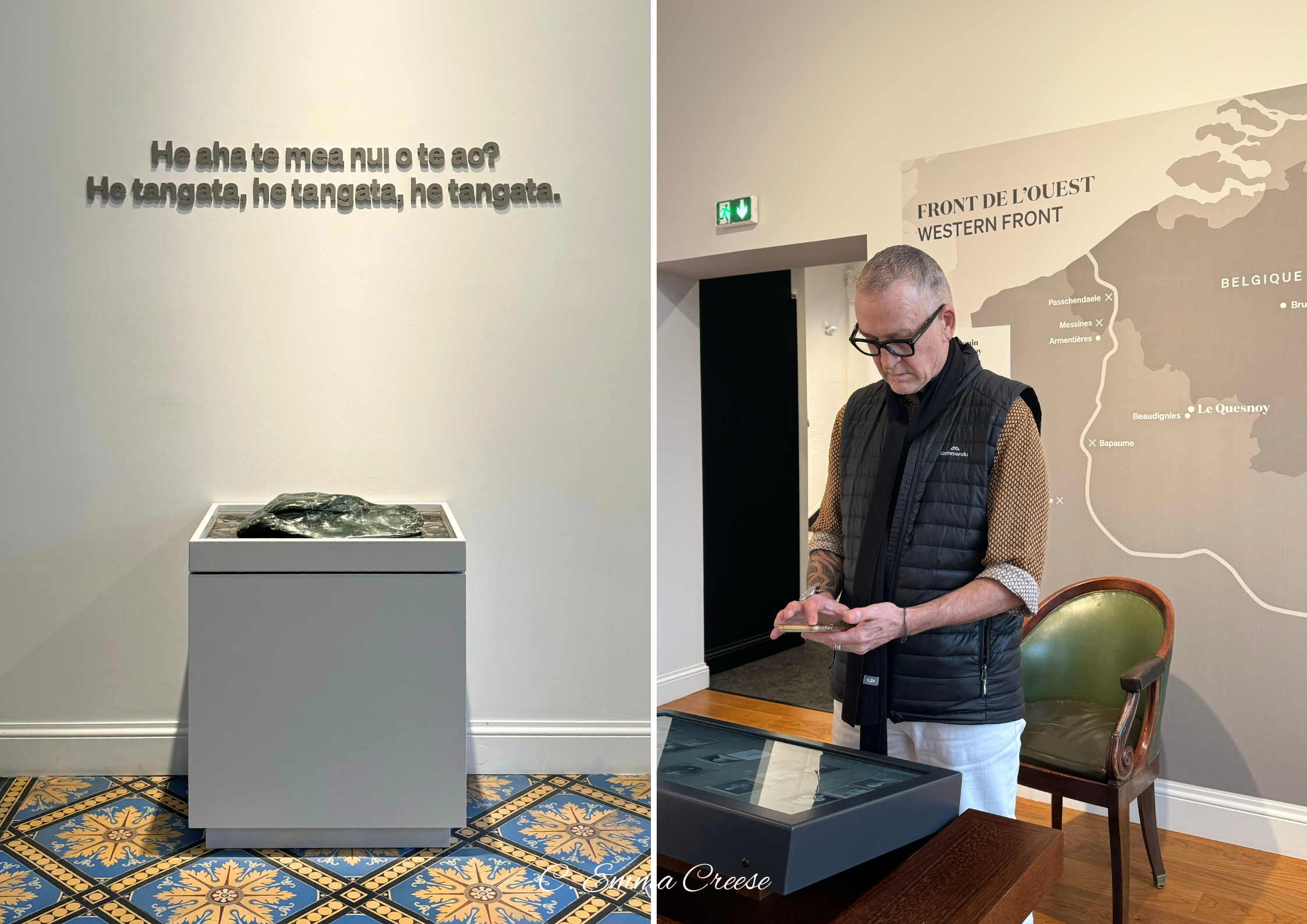
In Le Quesnoy stands Te Arawhata – the New Zealand Liberation Museum. It’s an immersive and interactive experience, a place where people can gather to remember, connect, reflect, share and engage. Each beautifully appointed room contains evocative tellings and sharing about experiences of the townspeople and soldiers – he tangata, he tangata, he tangata – the people, the people, the people.
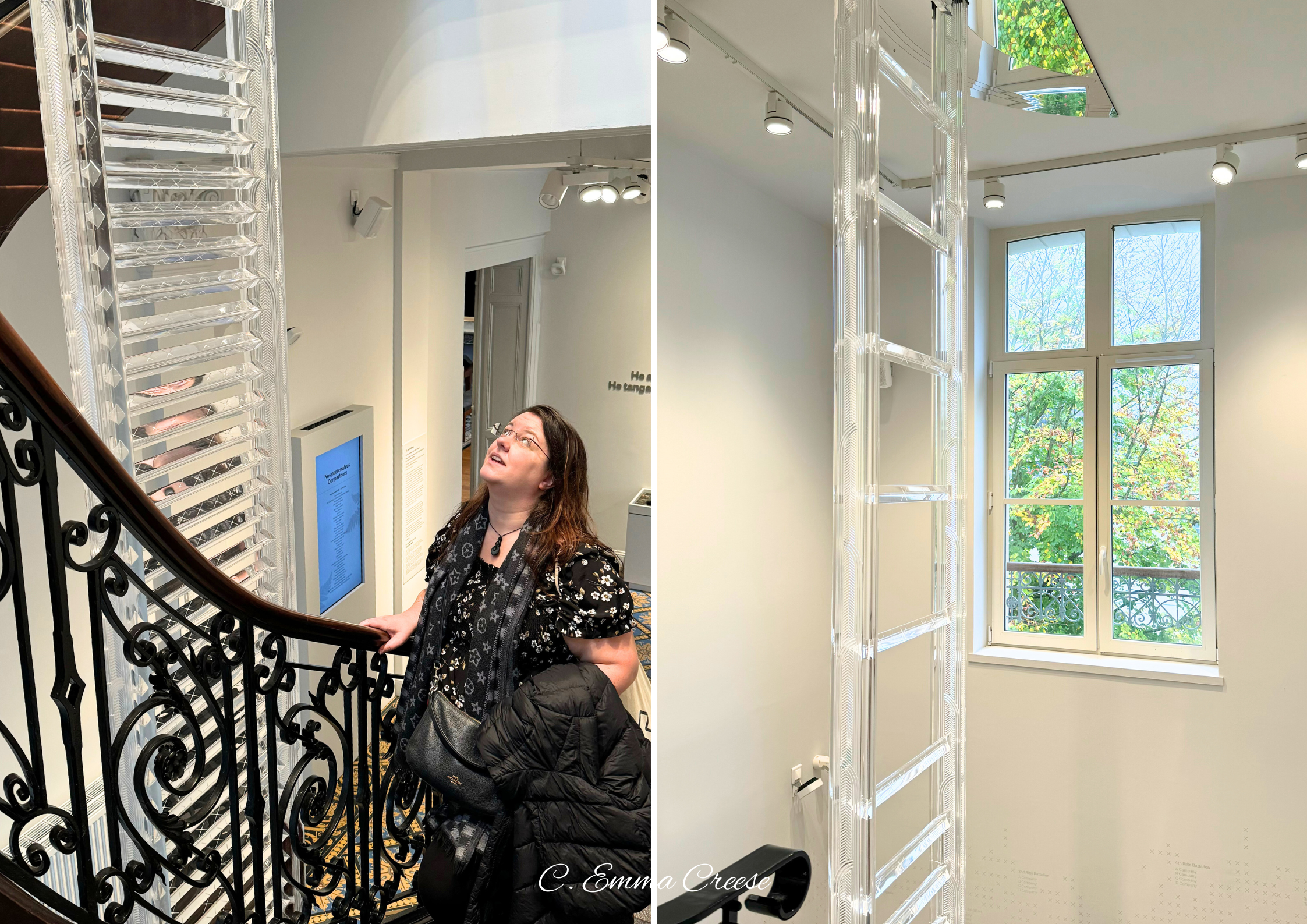
We lost ourselves in the experiences; from the dining room filled with stories and our own family links to the incredible sculpture of a war weary soldier, the exquisite ladder to the immersive soundscape of stories.
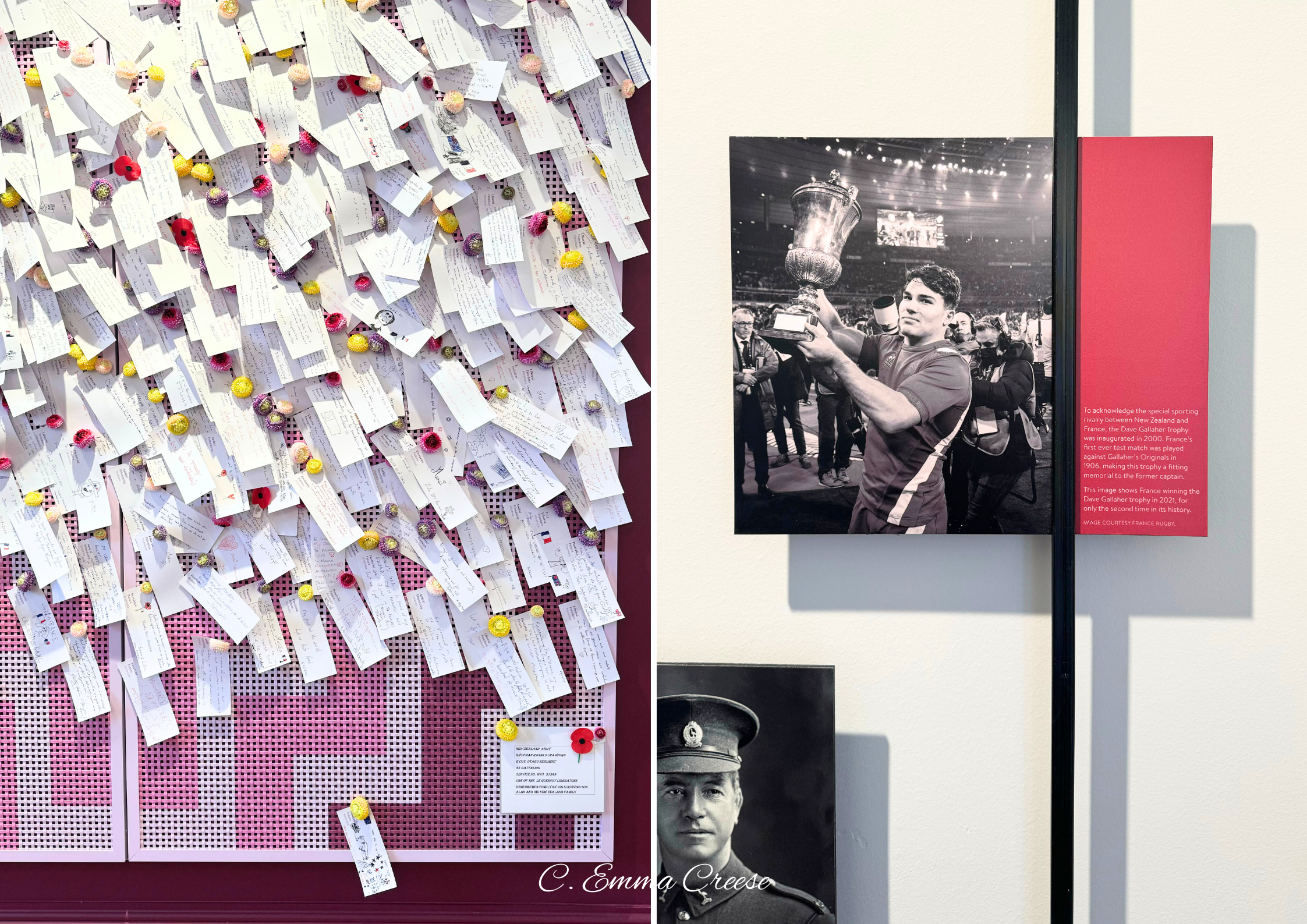
It was so beautifully considered and put together – the care, love and attention was incredible – and it’s no surprise that Weta Workshop (who brough the world Lord of the Rings) are involved in this private museum, one all Kiwis should visit.
On this trip to explore the Liberation Museum, Te Awawhata, we grabbed a quick Eurostar form London to Lille (1.5 hours) walked 10 mins and then hopped on a local train (45 mins) to Le Quesnoy. It’s a 2ish hour from Paris – a hop skip and a jump from Belgium too.
What an incredible place, a treasure trove of emotion and history. TLDR? Here’s my trip in the medium of video – Le Quesnoy, Te Arawhata and an overnight side wander through Lille.
Want to explore more Kiwi history in the UK – have you seen the 130m tall Bulford Kiwi carved into the Salisbury Hills?


